
Article
As users, we never hesitate to download applications for convenience, but often forget about them
later. These apps end up taking up space on your phone, begging for updates and closure. But what
if we imagined a world without apps? A massive shift is happening in the technological world today.
Nowadays, the in-charge is a humble web browser, which has grown to be a powerhouse of the
browsing world. It is now capable of handling complex data and running resource-intensive software
directly through a web browser. In this blog post, we will understand how these apps are delivering
smooth performance and full features without downloading any single setup file. And how these apps
are recommended as award-winning websites. Traditional methods of installing and deleting
applications are slowly fading away. With the help of open web capabilities, there is no longer a need
to rely on restrictive mobile applications to share digital experiences.
The Technical Leap of Browser Engines
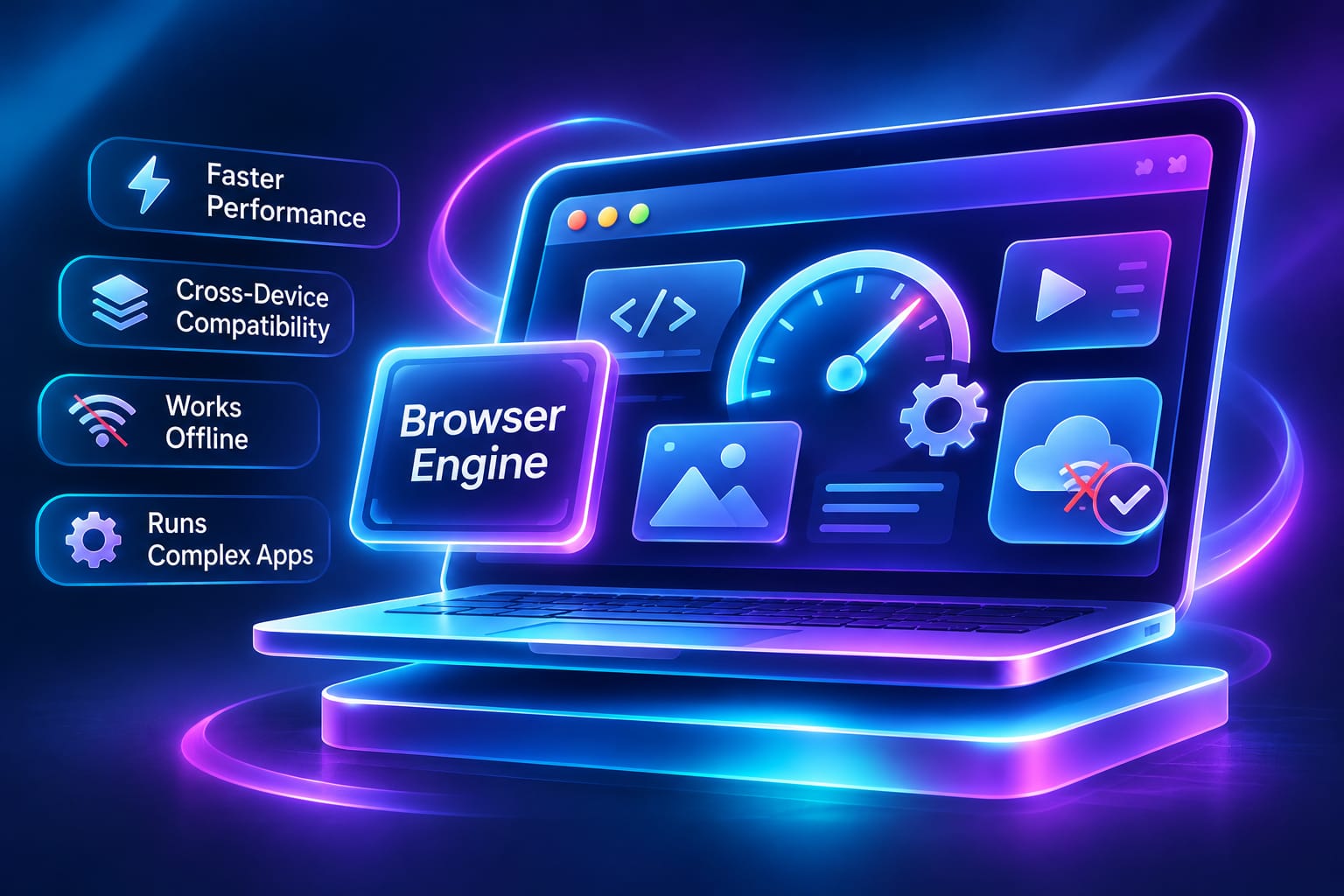
Why is the traditional app-download model becoming less dominant? Well, because of web browsers
which are now utilising their full capabilities. With the help of advanced web technologies, your
browser can now handle a wide range of tasks. Nowadays, developers don't have to write lengthy
scripts to make web applications accessible across different devices and platforms. Web applications,
meanwhile, can load quickly, run at high speeds and continue working even when network
connectivity is interrupted. This engineering marvel allows teams to bypass the complicated app
stores and deliver high-performance tools directly through a standard browser tab.
Bypassing the Traditional Marketplace Wall
Let's imagine everything from a developer's perspective. Creating a full-fledged application can be
challenging in itself, while publishing it on a traditional app store can be a frustrating and expensive
process for many developers. App stores may charge commissions on eligible transactions and require
you to go through lengthy reviews and waiting periods, while also limiting your ability to connect
directly with users. That's the main reason brands are moving to the open web, which changes the
game completely. Your team can now fast-track development, integrate different payment methods,
fix bugs quickly and roll out updates instantly. This gives creators freedom to connect to their users
without playing by someone else's strict rules.
Where Web Superiority Triumphs
Modern users expect extremely fast loading times. Consider the effort involved in downloading a
native application: opening an app store, searching for the app, signing in, waiting for the download
and sometimes discovering that your device has run out of storage space. A web application removes
many of these unnecessary steps, allowing users to access it with a single tap. You can share links
instantly across social media groups, send them via email or open them using a quick scan. You can see these features in some of the best award-winning web design examples. These web
applications offer full-featured video editors, 3D design software and extensive workspace tools that
run directly in a web browser without requiring installation.
Designing for the Link-First Economy
If you truly want to design with your users in mind, you need to shift from closed app architectures
towards open web platforms. To achieve this, keep the following points in mind:
Optimise loading speed – Keep your page size to a minimum. If a page takes too long to display its
content, users may leave immediately.
Use browser storage efficiently – Store essential images and scripts in the user's browser storage to
ensure a smoother experience when they revisit the website.
Conclusion
If you want to improve the user experience, you need to understand the difference between traditional
website design and installing a separate application. The future belongs to smart platforms that
balance the capabilities of native applications with the instant accessibility of the open web. Some of
the leading creative studios are also creating award-winning websites that are no longer limited to
isolated mobile ecosystems. But they are built for the users and the browsers. So, make sure your
digital products stay ahead of emerging trends and earn their place in award-winning web designs. Be
ready for the world without app stores!